


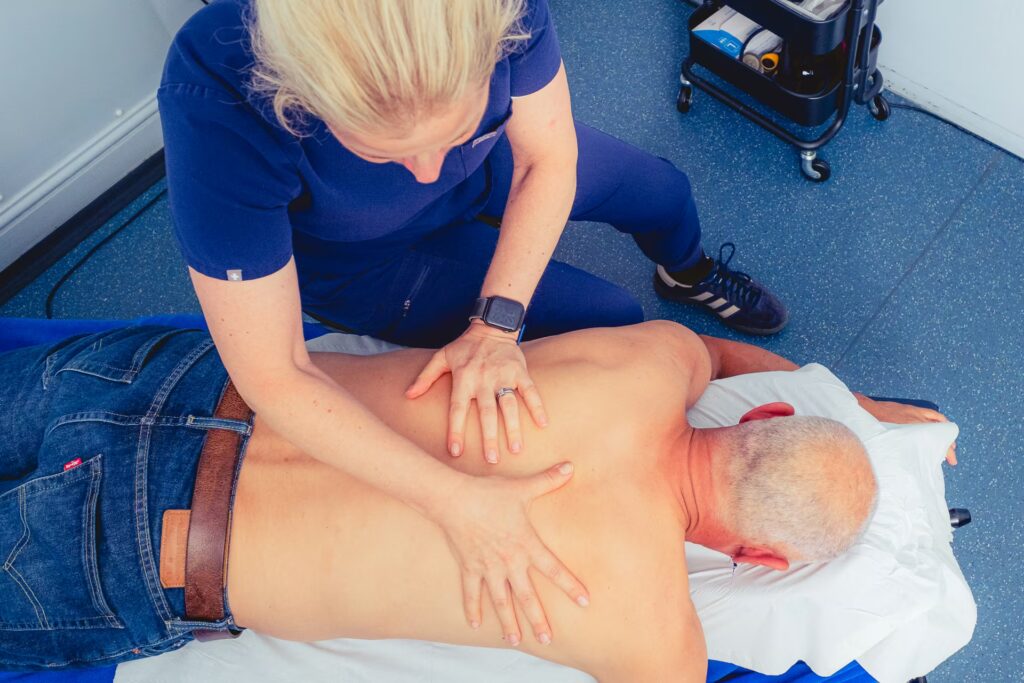
Back Pain
Back pain is one of the most common reasons people seek help, and while it can be frustrating and sometimes worrying, the good news is that it often improves with the right support. Whether it is the result of an acute injury, a flare-up of an existing condition, or part of a longer-term issue, we take the time to understand your individual situation so that treatment is tailored to you.
Back pain can have many underlying causes, including muscle or ligament strains, disc pathology, joint irritation, nerve involvement, or changes linked to conditions such as arthritis. Lifestyle factors, activity levels, and overall health can also play a part in how pain is experienced and how quickly it recovers.
At Courtyard Clinic, you will receive a thorough assessment to identify the likely cause of your back pain, understand what is contributing to it, and explore the most effective treatment options. We focus not only on easing symptoms but also on helping you feel confident in your body again and reducing the likelihood of recurrence.
Your treatment plan may include:
Physiotherapy and Chiropractic
Manual Therapy and Soft Tissue Techniques
Pilates and Strength and Conditioning
Acupuncture
Massage Therapy
If your back pain is linked with other health factors such as nutrition, bone health, or long-term conditions, we can also connect you with our specialist practitioners for additional support.
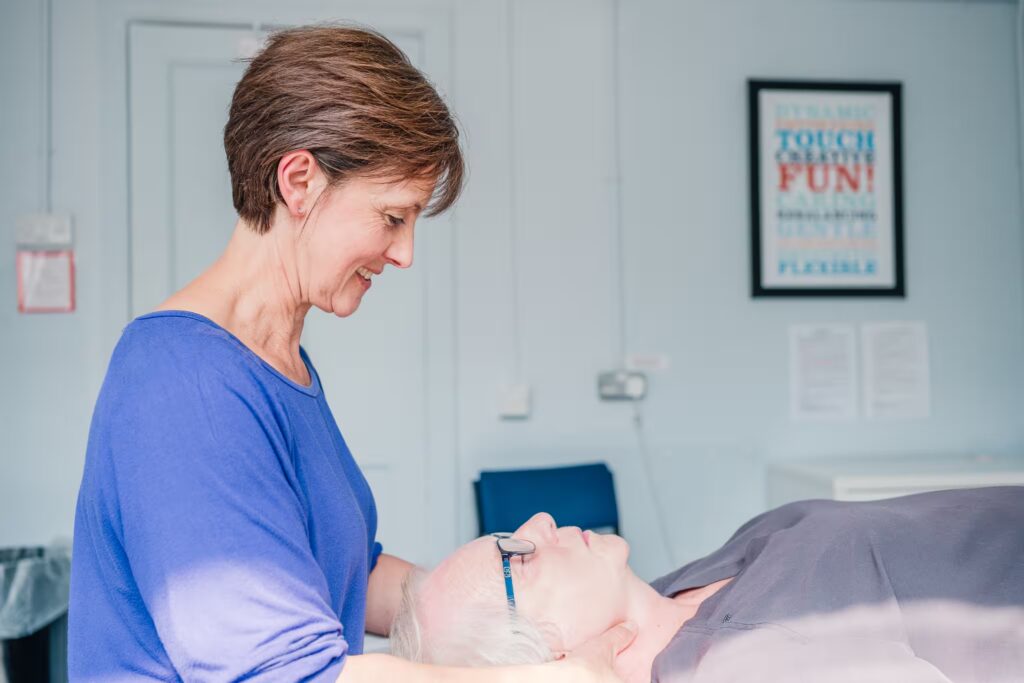
Neck Pain
Your treatment plan may include:
Physiotherapy and Chiropractic
Manual Therapy and Soft Tissue Techniques
Delivered in line with modern evidence, supporting comfort, modulating pain, and promoting freer movement.
Pilates and Strength and Conditioning
Acupuncture
Massage Therapy
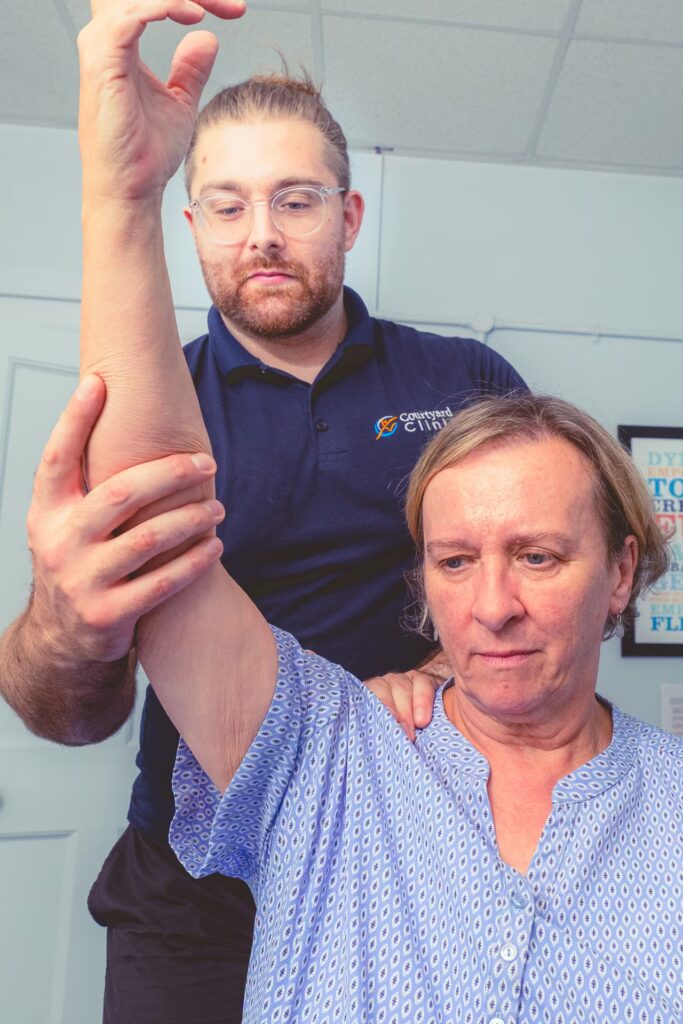
Shoulder Pain
Your treatment plan may include:
Physiotherapy and Chiropractic
Manual Therapy and Soft Tissue Techniques
Pilates and Strength and Conditioning
Acupuncture
Massage Therapy
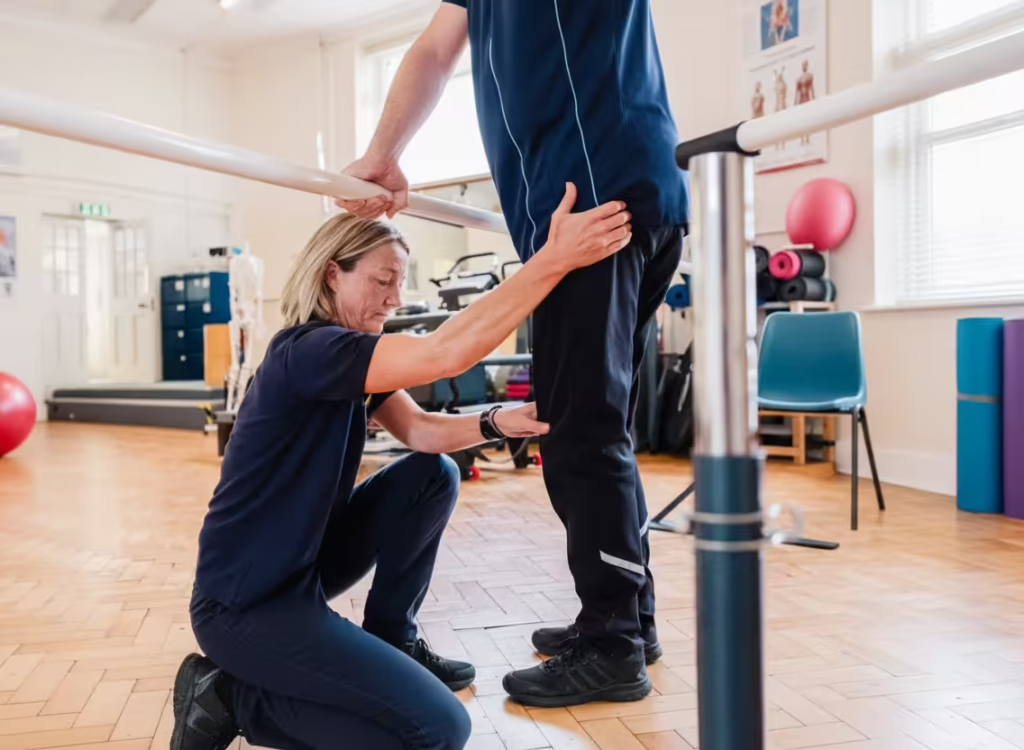
Hip Pain
Hip pain can affect people of all ages and activity levels, often making simple movements like walking, climbing stairs, or even sitting for long periods uncomfortable. Because the hip joint plays such a key role in how we move, problems here can also lead to changes in movement patterns and strain elsewhere in the body.
Your treatment plan may include:
Physiotherapy
Manual Therapy and Soft Tissue Techniques
Strength and Conditioning or Pilates
Podiatry
Acupuncture
Massage Therapy
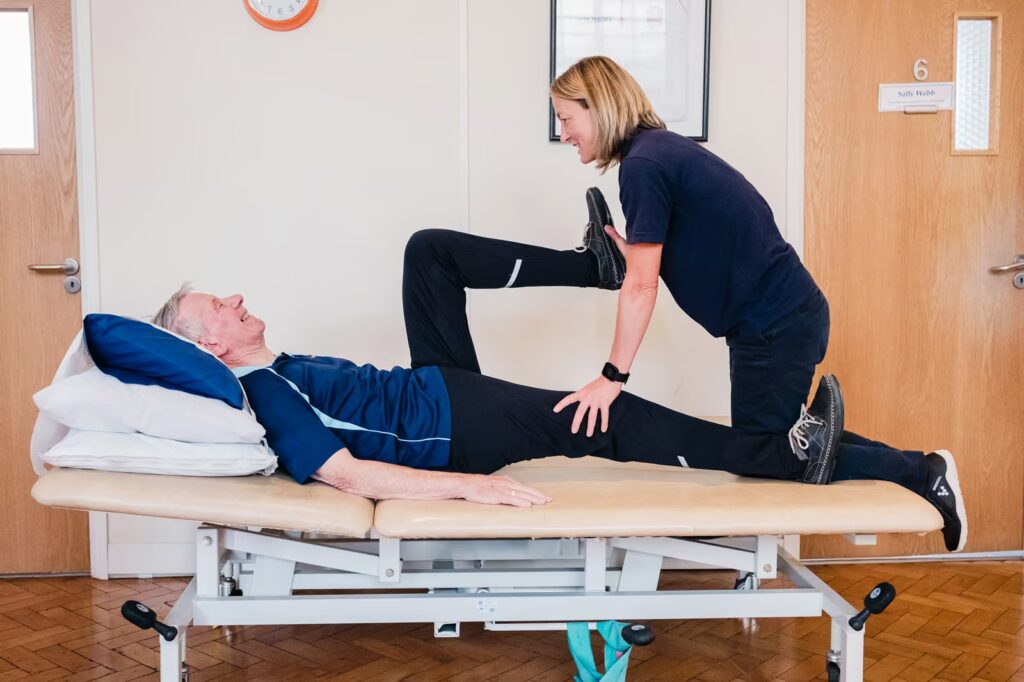
Knee Pain
Your treatment plan may include:
Physiotherapy and Chiropractic
Manual Therapy and Soft Tissue Techniques
Strength and Conditioning or Pilates
Podiatry
Acupuncture
Massage Therapy
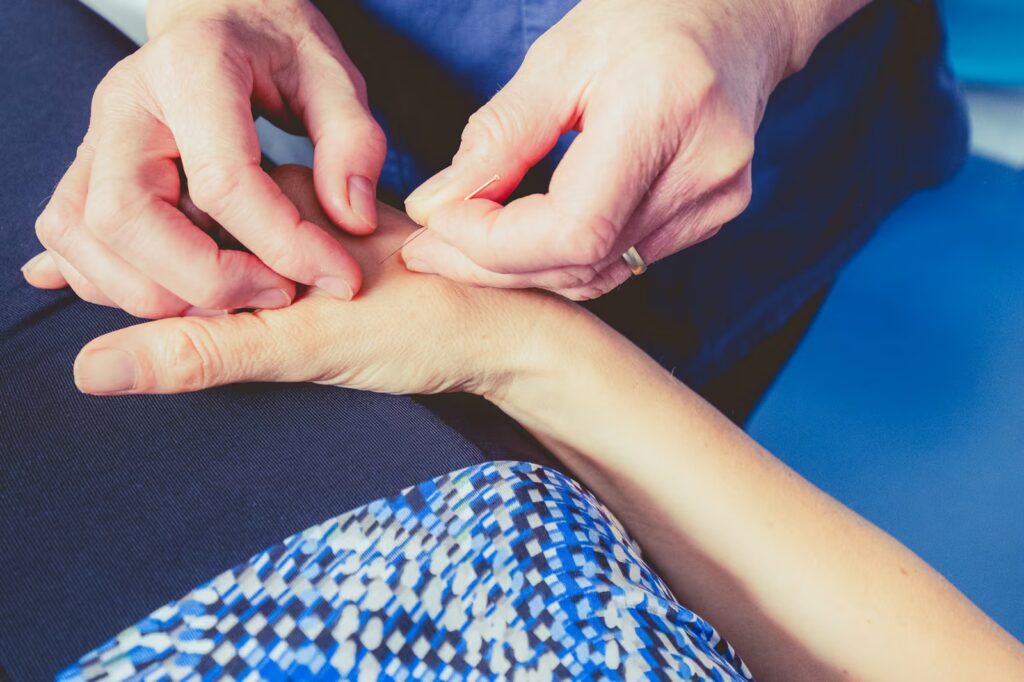
Hand and Wrist Injuries
Common causes of hand and wrist pain
- Sprains and ligament injuries
- Tendon problems (such as De Quervain’s or trigger finger)
- Fractures and post-fracture stiffness
- Nerve-related problems, including carpal tunnel syndrome
- Joint pain and early osteoarthritis
- Overuse injuries from work or hobbies
Your treatment plan may include:
Manual therapy and gentle mobilisation
To improve joint and soft tissue function.
Exercise-based rehabilitation
Focusing on strength, movement control, and coordination.
Advice on activity modification
Ergonomic adjustments to support recovery.
Referral for imaging or consultant opinion
If needed.
Rehabilitation for long-term hand and wrist health
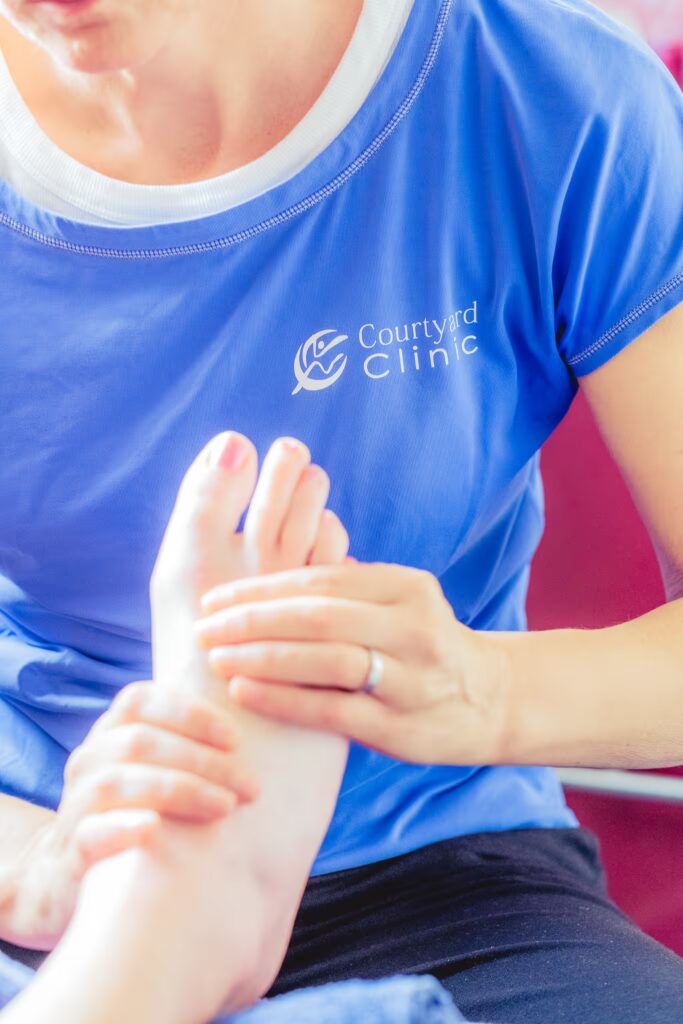
Foot and Ankle Pain
Your treatment plan may include:
Podiatry
Foot Health
Physiotherapy and Chiropractic
Manual Therapy and Soft Tissue Techniques
Strength and Conditioning or Pilates
Acupuncture
Massage Therapy
If there are signs of more complex issues such as significant joint damage, fractures, or conditions requiring surgical input, we can refer you to trusted local consultants for further assessment.
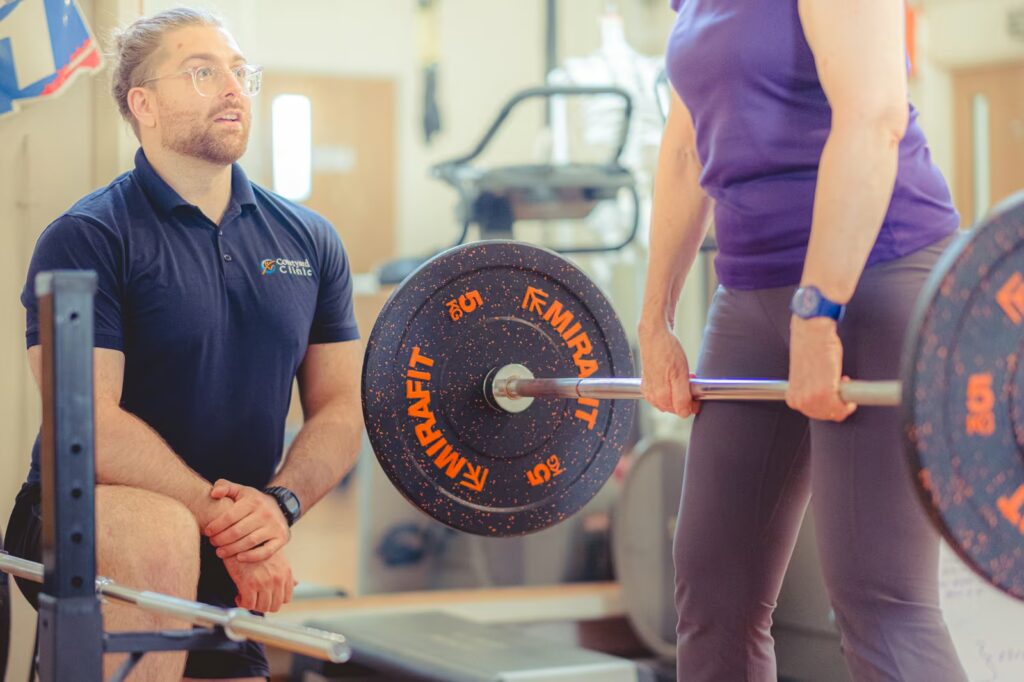
Sports Injuries
Getting you back to doing what you love
Whether you are a weekend jogger, a dedicated gym-goer or a competitive athlete, injuries can happen. Sports injuries range from mild sprains and strains to more complex joint or muscle problems. They often bring pain, swelling and stiffness, but just as importantly they can leave you feeling frustrated, worried about your progress and unsure how to get moving again.
Common sports injuries
- Ankle sprains overstretching or tearing the ligaments around the ankle.
- Muscle strains and tears often in the hamstrings, quadriceps or calf muscles.
- Knee injuries including ligament sprains such as ACL, cartilage problems or patellofemoral pain.
- Shoulder injuries such as rotator cuff strains, impingement or dislocations.
- Tendon problems including Achilles tendinopathy, tennis elbow and jumper’s knee.
- Overuse injuries like shin splints, stress fractures or repetitive strain injuries from training overload.
What treatment involves
Hands-on therapy
To reduce pain and improve flexibility and mobility.
Exercise rehabilitation
Targeted strengthening and conditioning to restore normal function and reduce the risk of re-injury.
Activity modification
Helping you stay active where possible while protecting the injured area.
Education and advice
So you understand your injury, how long it may take to heal and what you can do to support recovery.
Return-to-sport planning
A staged approach to safely get you back to training and competition with confidence.
Services that can help at Courtyard
Physiotherapy
To assess, treat and rehabilitate injuries, with a focus on strength, movement and long-term recovery.
Chiropractic
To improve joint mobility, ease tension and support overall function.
Sports massage
To reduce muscle tightness, improve circulation and aid recovery.
Nutritional therapy
To optimise diet for healing, performance and injury prevention.
Pain coaching
To support athletes dealing with persistent or recurring pain, helping you build resilience and confidence.
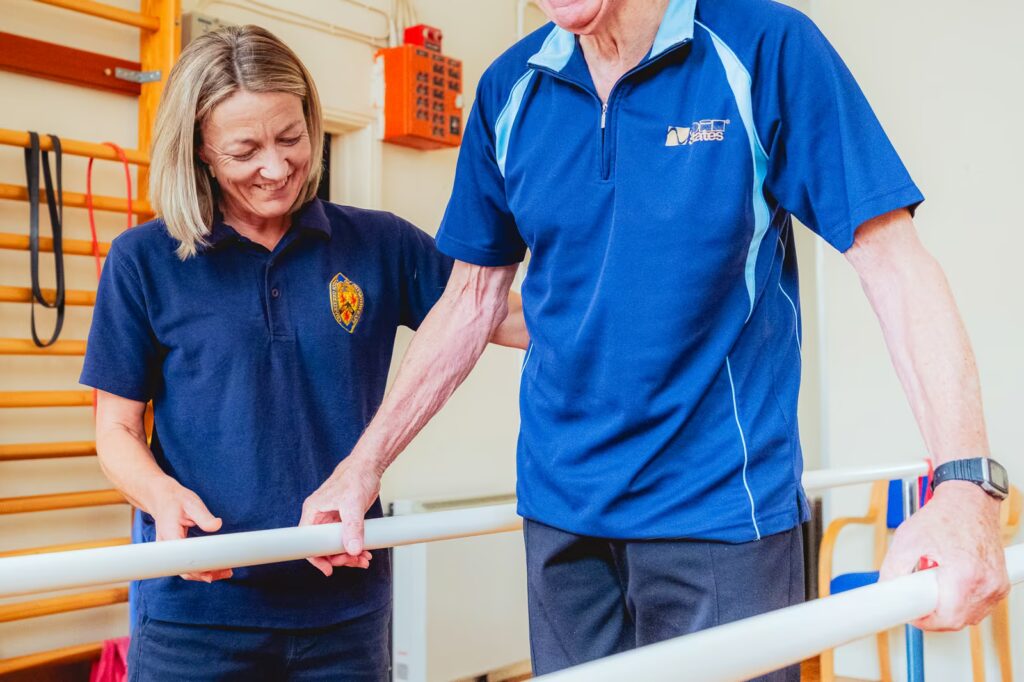
Joint Pain and Arthritis
When stiff or painful joints start to hold you back
Common causes of joint pain
- Osteoarthritis a condition influenced by overuse, inflammation and metabolic factors. It leads to changes in the cartilage and surrounding joint tissues, causing pain, stiffness and sometimes swelling.
- Rheumatoid arthritis an autoimmune condition that causes inflammation in the joints, often leading to pain and deformity if untreated.
- Injuries such as ligament sprains, cartilage damage or fractures that can leave joints vulnerable to longer-term issues.
- Repetitive strain especially in weight-bearing joints like the knees, hips or hands.
What treatment involves
Hands-on therapy
To ease stiffness, reduce pain and improve joint mobility.
Tailored exercise programmes
To build strength, improve flexibility and support healthy movement.
Activity and lifestyle advice
To help you stay active safely and adapt daily routines to reduce strain on painful joints.
Pain management strategies
Including pacing, relaxation techniques and education about your condition.
Referral and collaboration
If additional medical input is needed, such as rheumatology or imaging.
Services that can help at Courtyard
Physiotherapy
To improve strength, flexibility and joint function with tailored rehabilitation programmes.
Chiropractic
To support joint mobility and ease surrounding muscle tension.
Massage therapy
To relieve stiffness, improve circulation and promote relaxation.
Nutritional therapy
To explore dietary support for inflammation, energy and general wellbeing.
Alexander Technique
To encourage freer movement and reduce unnecessary strain on joints.
Pain coaching
To build strategies for managing chronic pain, reduce fear of movement and support confidence in daily activities.
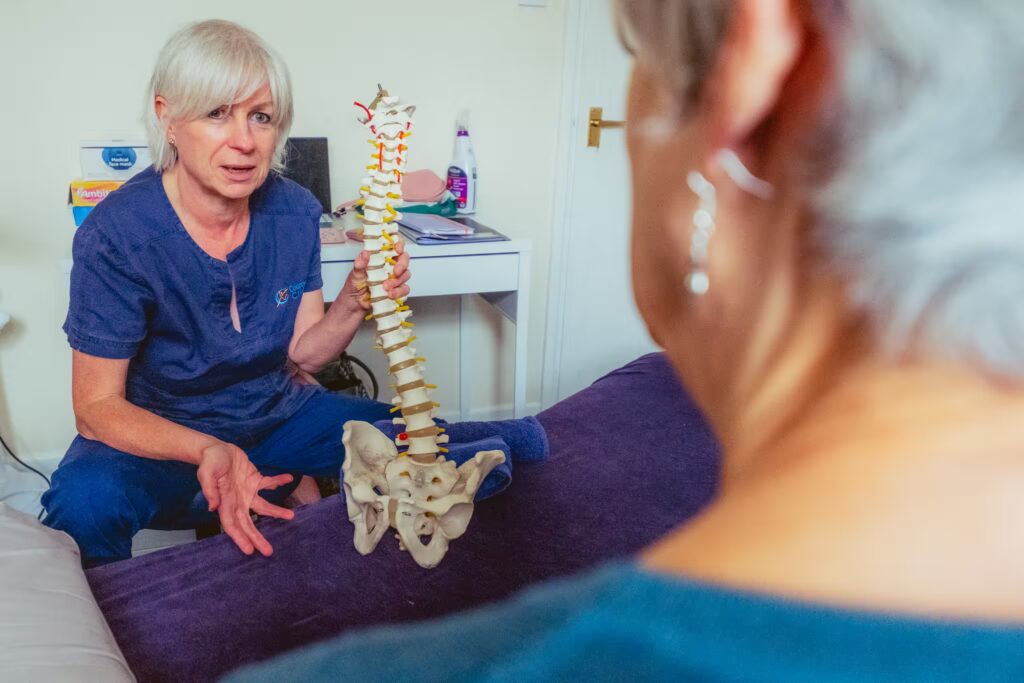
Sciatica and Nerve Pain
When nerve pain starts to interfere with life
Common causes of sciatica and nerve pain
- Issues arising in the spine such as changes in the joints, discs or surrounding tissues that place pressure on or irritate nearby nerves.
- Spinal stenosis narrowing of the spaces in the spine which can irritate or compress the nerves.
- Facet joint irritation stiffness or inflammation in the small joints of the spine, sometimes affecting nearby nerves.
- Postural or mechanical strain long periods of sitting, heavy lifting or sudden awkward movements that stress the lower back.
- Neurological conditions or trauma such as nerve injury after an accident, or conditions that affect how nerves function.
What treatment involves
Hands-on therapy
Gentle mobilisation and soft tissue work to ease surrounding tension and improve movement.
Exercise programmes
To strengthen the core, improve posture and build resilience in the spine.
Activity modification
Advice on how to keep moving safely while avoiding positions that aggravate nerve pain.
Lifestyle and self-management strategies
Including guidance on movement breaks, workstation setup, stress management and sleep.
Referral if needed
For imaging or specialist review if symptoms are severe, persistent or worsening.
Services that can help at Courtyard
Physiotherapy
To assess and treat back and leg pain, with tailored exercise and rehabilitation programmes.
Chiropractic
To help restore spinal mobility and reduce irritation around the nerves.
Massage therapy
To ease muscle tightness and improve circulation in the back and legs.
Alexander Technique
To support posture and reduce unnecessary strain on the spine and nervous system.
Pain coaching
To build confidence, improve coping strategies and support people living with ongoing nerve-related pain.
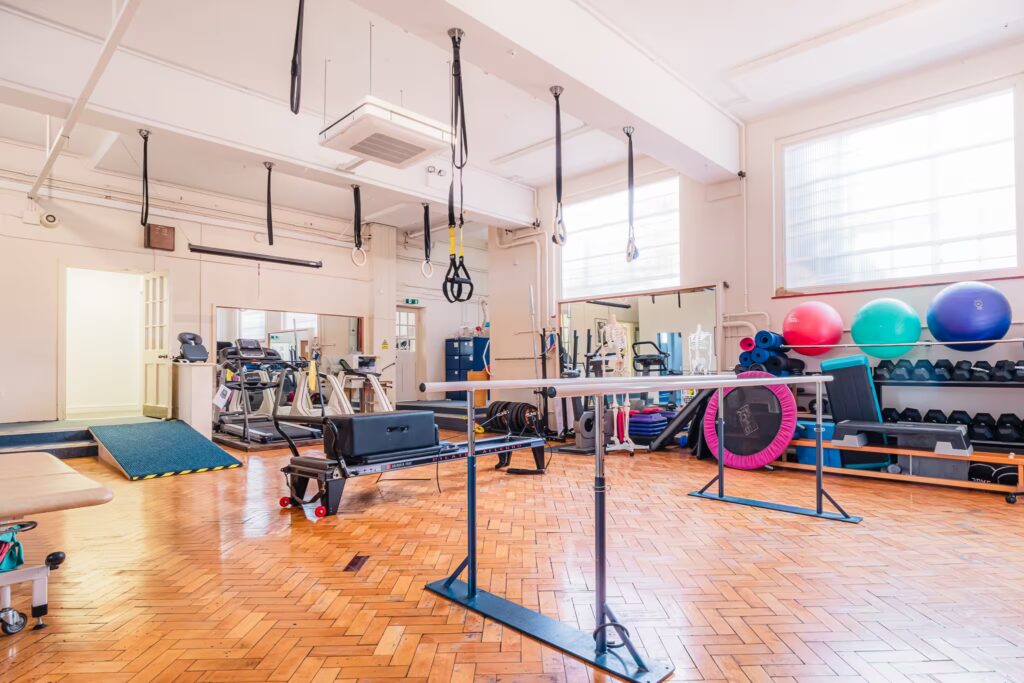
Fractures & Trauma Rehabilitation
Your fracture or trauma rehabilitation plan may include:
Physiotherapy
Chiropractic
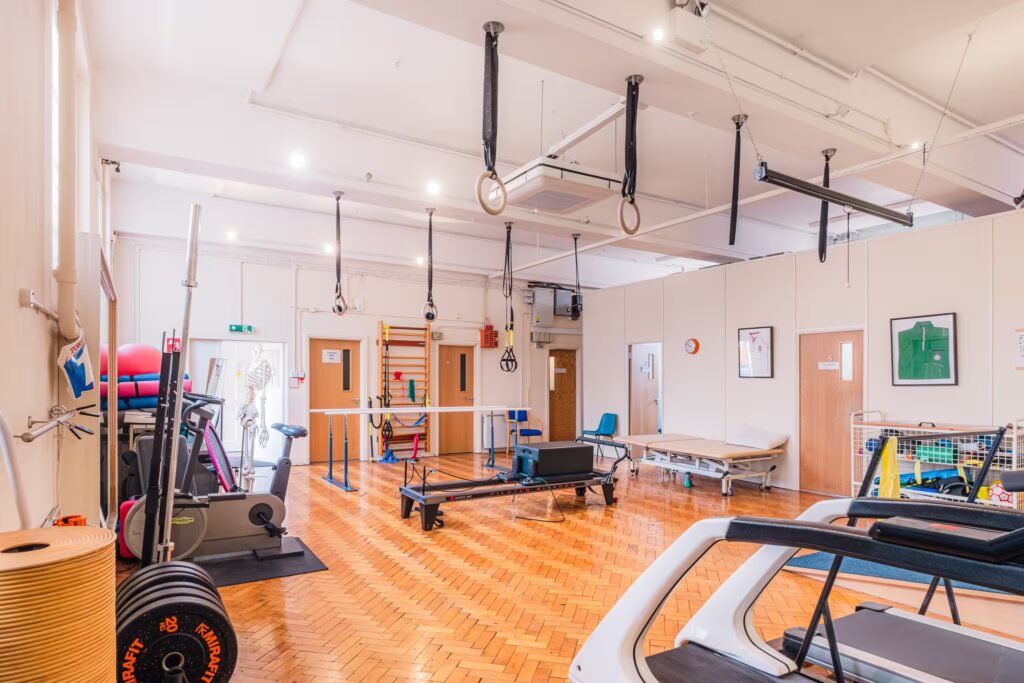
Post-Operative Rehabilitation
Your post-operative rehabilitation plan may include:
Physiotherapy
Chiropractic
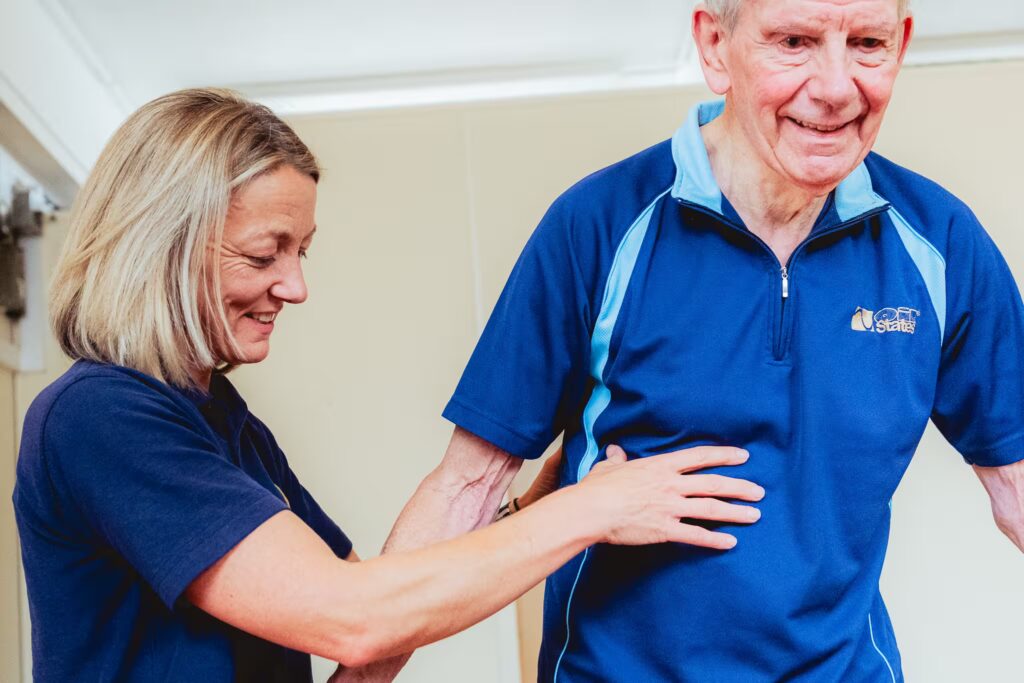
Neurological Conditions
Conditions we work with
- Stroke
- Multiple sclerosis
- Parkinson’s disease
- Functional neurological disorder
- Brain injury
- Spinal cord injury
- Peripheral nerve conditions
What treatment involves
Physiotherapy
- Exercises to improve strength, flexibility, and coordination
- Balance and walking practice to enhance stability and reduce falls risk
- Movement re-education to support daily activities
- Manual therapy to maintain joint and muscle comfort
- Home exercise plans to encourage ongoing progress between sessions
A supportive approach to recovery
Rehabilitation can be challenging, but we will work with you at your own pace, celebrating progress and adapting your plan as needed. Our aim is to help you regain as much independence as possible and enjoy a better quality of life.
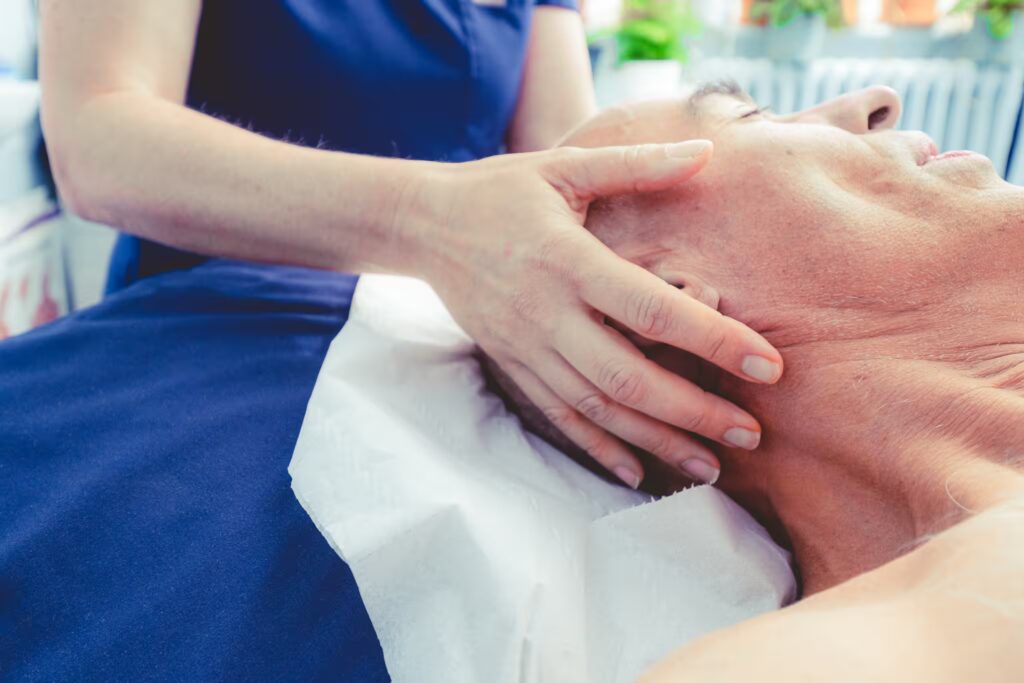
Headaches & Migraines
When head pain starts to take over daily life
Common types of headaches and migraines
- Tension headaches a tight, band-like pain across the forehead or at the back of the head, often linked with stress, posture and muscle tension.
- Migraines usually one-sided, throbbing headaches that may last from hours to days and can be accompanied by nausea, visual changes or sensitivity to light and sound.
- Cervicogenic headaches head pain that originates from the neck and is often aggravated by neck movement or poor posture.
- Cluster headaches severe headaches that occur in cycles or clusters, often around one eye, with periods of remission in between.
- Sinus headaches linked with sinus congestion and facial pressure.
What treatment involves
Hands-on therapy
Gentle techniques to ease tension in the neck, shoulders and jaw muscles.
Exercise and posture advice
To improve neck and upper back mobility and reduce strain.
Relaxation and breathing techniques
To help manage stress and reduce the likelihood of tension headaches or migraine triggers.
Lifestyle and trigger management
Identifying patterns such as diet, hydration, sleep or screen use that may influence your symptoms.
Referral and collaboration
If we suspect your headaches need further investigation, we can work with your GP or recommend appropriate specialist input.
Services that can help at Courtyard
Chiropractic
Using gentle adjustments and hands-on techniques to help reduce tension and improve how your body functions.
Physiotherapy
Providing targeted treatment and exercises to ease pain, improve movement and support recovery.
Nutritional therapy
To help identify dietary triggers and ensure your nutrition supports energy, recovery and resilience.
Alexander Technique
To improve posture, reduce unnecessary muscle tension and encourage freer movement.
Pain coaching
To help you build strategies for managing persistent pain, reduce fear around symptoms and regain confidence in daily life.
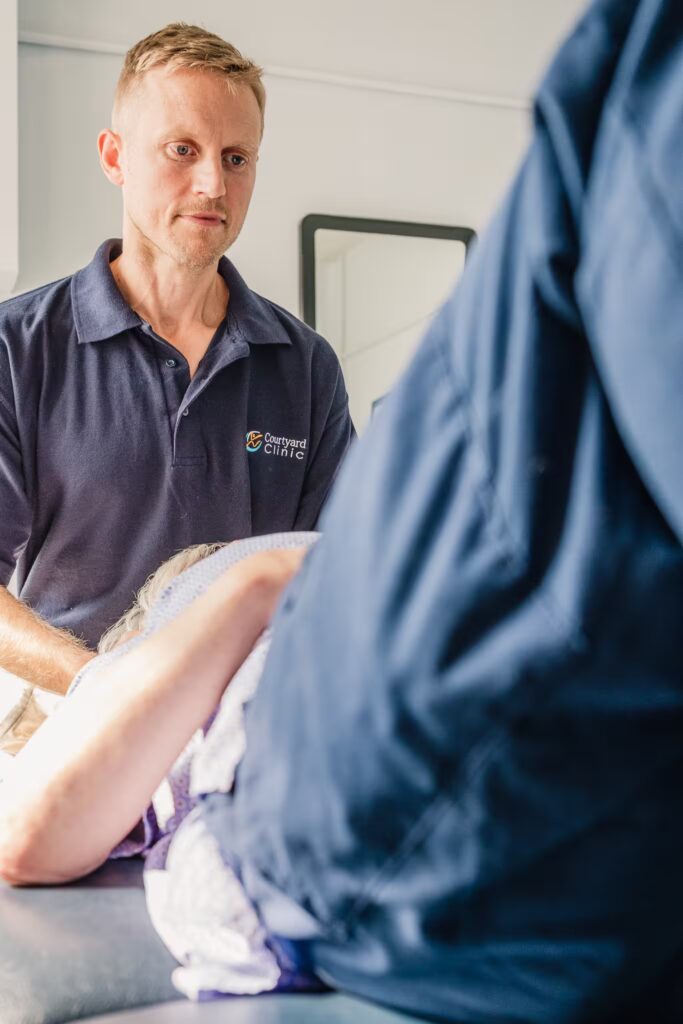
Chronic Pain
Chronic pain is pain that lasts for longer than expected after an injury, illness, or surgery. It can affect many aspects of life including work, hobbies, sleep, relationships, and mood. At Courtyard Clinic, we understand that chronic pain is complex and personal, and we offer support to help you live well and move with confidence.
Common causes and patterns
What treatment involves
Pain coaching
To help you understand and manage your pain.
Physiotherapy
To restore and improve movement and function.
Alexander Technique
To support ease of movement and reduce strain.
Manual therapy
For comfort and confidence in movement.
Exercise and strength programmes
To build resilience and capability.
Massage therapy
For relaxation, muscle comfort, and positive touch.
Onward referral
To your GP or specialist if further investigation or support is needed.
Living well with chronic pain
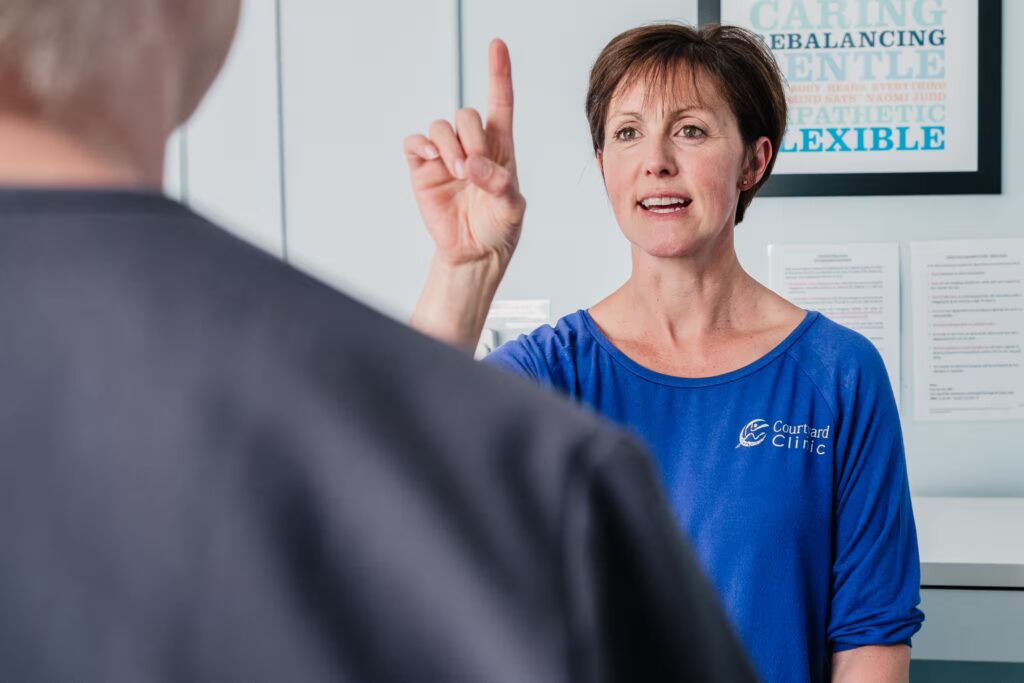
Concussion Injuries
A concussion is a type of brain injury caused by a sudden acceleration or deceleration of the head, often due to a blow to the head or body. This movement can temporarily disrupt brain function, leading to symptoms such as headache, dizziness, balance problems, neck pain, memory issues, or feeling unusually tired.
Concussion Injuries
While many people recover quickly, others can experience ongoing symptoms, and research shows that early, specialised assessment can help improve recovery.
At Courtyard Clinic, we provide a complete, evidence-based concussion management programme. From the initial assessment through to safe return to sport, work, or study, our goal is to guide you through every step of recovery.
Physiotherapy
Exercise Rehabilitation
Balance and Vision Rehabilitation
Neck and Whiplash Treatment
Education and Support
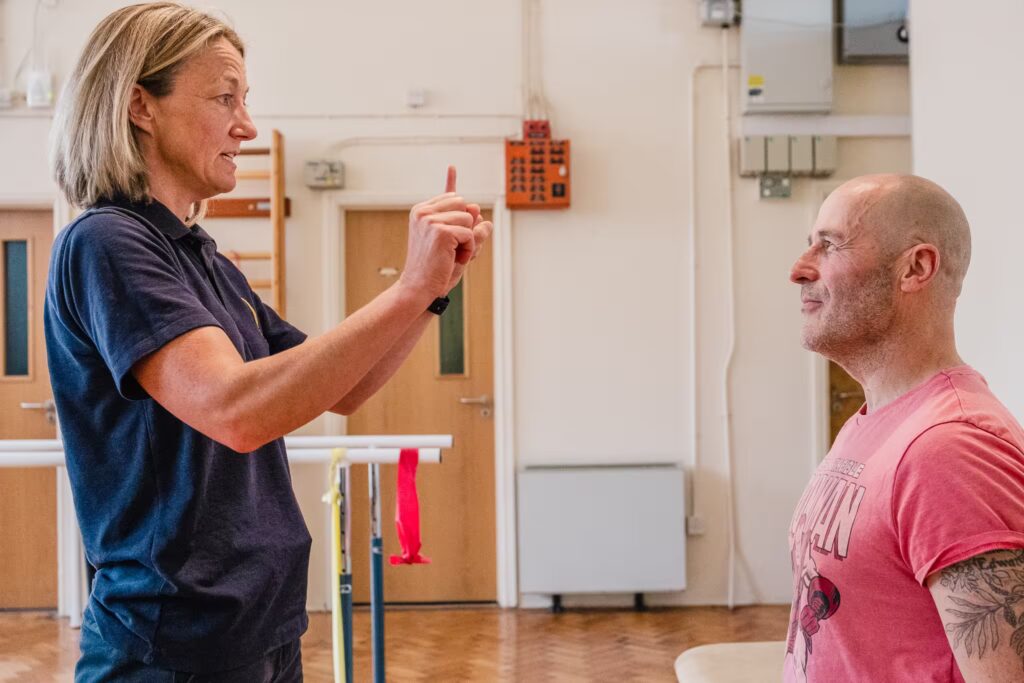
Dizziness, Vertigo & Balance Problems
Common causes of dizziness and balance problems
- Some of the most common conditions affecting the vestibular system include:
- Benign Paroxysmal Positional Vertigo (BPPV) caused by tiny crystals moving in the inner ear.
- Ménière’s disease a long-term condition that can cause vertigo, tinnitus and hearing changes.
- Labyrinthitis inflammation of the inner ear, often following infection.
- Vestibular neuritis irritation of the vestibular nerve that disrupts balance signals.
- Head trauma which can affect balance and coordination.
- Neurological conditions such as stroke or multiple sclerosis, when balance is impaired.
What treatment involves
Your first step
- Repositioning manoeuvres such as the Epley technique for BPPV, moving inner ear crystals back into place to relieve vertigo.
- Tailored exercise programmes to improve gaze stabilisation, postural control and balance.
- Motion sensitivity training to gradually reduce dizziness when moving your head or body.
- Compensation training exercises that help your brain rely more effectively on other senses such as vision and muscle feedback to restore stability.
- Over time, these approaches encourage your brain to adapt, easing vertigo, reducing nausea and headaches, and making everyday activities like walking or driving feel more secure again.
Taking the next step
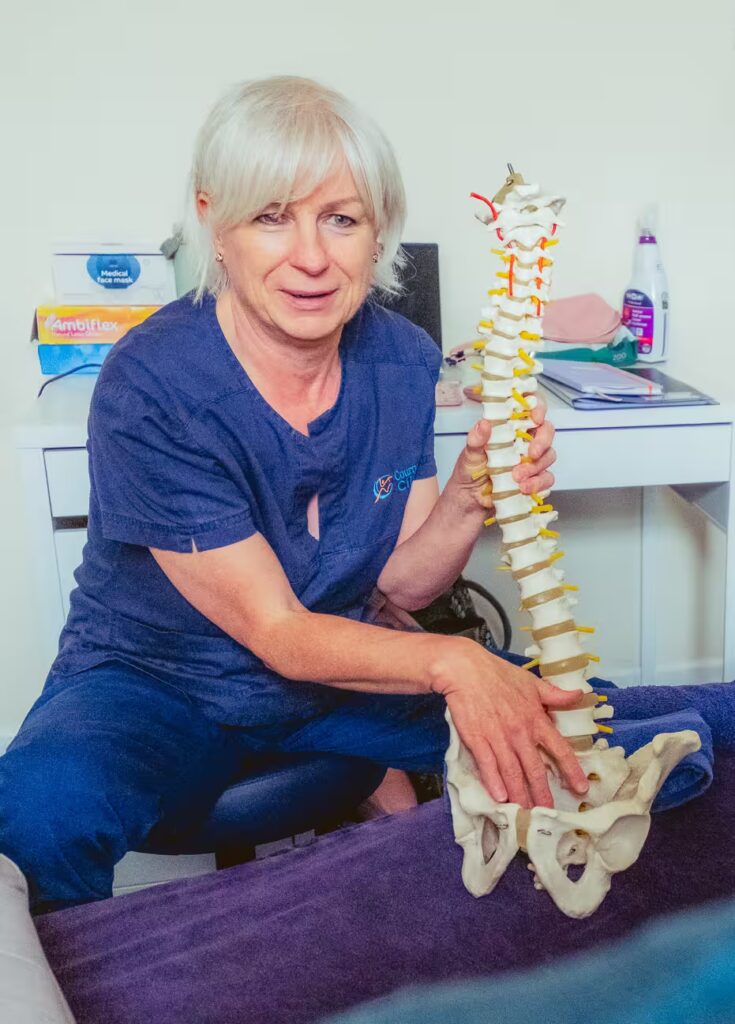
Menopause
Common symptoms and challenges
- Hot flushes and night sweats
- Changes in bladder or bowel control
- Pelvic floor weakness or prolapse
- Joint or muscle pain
- Reduced bone density and muscle mass
- Fatigue and low energy
- Changes in mood, sleep, and concentration
Pelvic Health Physiotherapy
- Tailored pelvic floor muscle training
- Advice and strategies for bladder or bowel control
- Management of pelvic pain and prolapse symptoms
- Guidance on safe exercise at every stage
Strong Women Strength and Conditioning Classes
- Small group sessions designed to build bone strength, muscle mass, and balance
- Evidence based exercises to reduce the risk of osteoporosis
- Supportive and encouraging environment led by experienced instructors
- Suitable for all fitness levels, with adaptations as needed
Ongoing support for healthy ageing
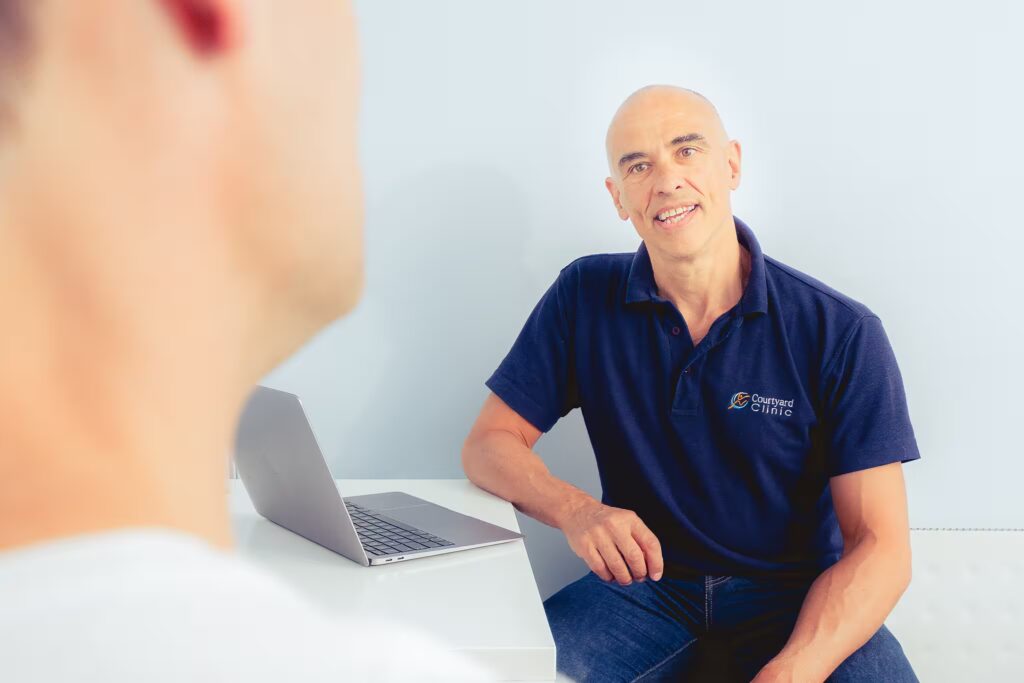
Nutrition & Metabolic Health
We provide support for a wide range of conditions and health priorities, including:
Type 2 Diabetes
Cholesterol and Lipid Management
Blood Pressure
Blood Glucose Control and Insulin Sensitivity
Bone Density, Muscle Mass, and Brain Health
Weight Loss, Weight Regain, and Weight Management
Female Health and Menopause
Strength, Fitness, and Endurance Nutrition
Our approach is personal, supportive, and practical
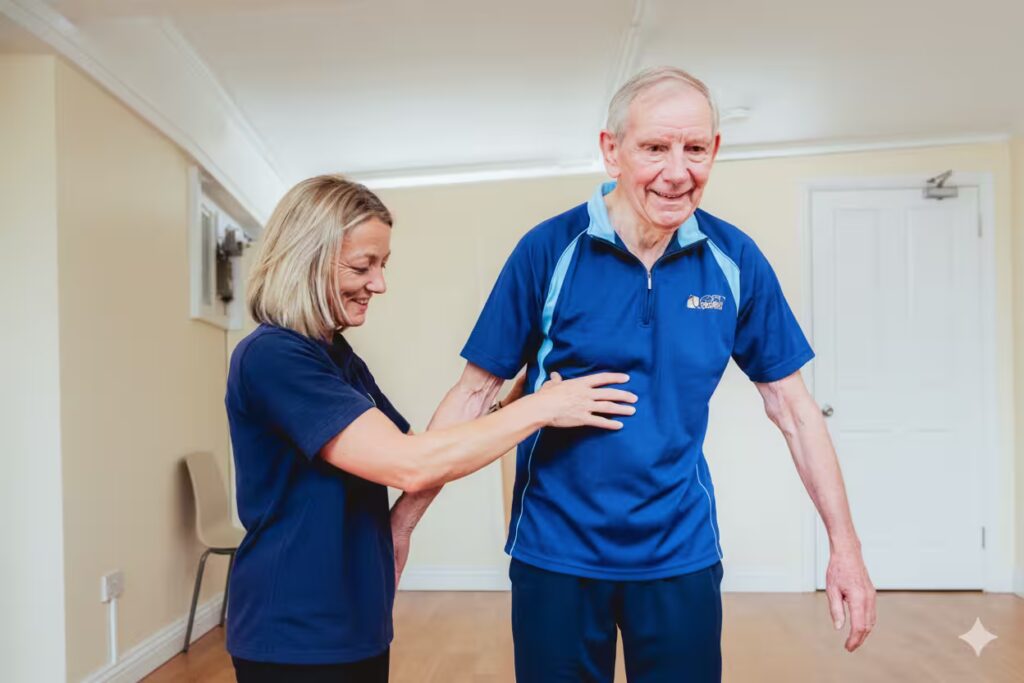
Lifestyle & Wellness
Areas we can help with
- Stress management and resilience
- Support with low mood and anxiety
- Fatigue and sleep difficulties
- Building healthy habits
- Lifestyle changes to improve physical health
- Adjusting after injury, illness, or life changes
- Support with motivation and goal setting
Our multidisciplinary team
- Pain coaching to help you live well alongside or beyond persistent pain
- Life coaching to clarify goals and create practical steps forward
- Holistic massage therapy for relaxation, relief from muscle tension, and a sense of wellbeing
- Onward referral to trusted psychotherapists or psychologists if specialist support is needed